
I have seen countless UK slot players enable autoplay and then manage the session as if it needs no attention https://rumpfriendscasino.com. Autoplay can be helpful for maintaining spins consistent, but it often encourages faster losses and missed warning signs. At Rump & Friends Game, the lobby covers slots, table games, and live dealer rooms, with welcome offers commonly built around a first deposit match and free spins. Understanding the common mistakes below will help you use autoplay without giving up control.
Overlooking Session Reviews and Game History
Once an autoplay session ends, many players right away begin another or exit the game without reviewing what happened. That habit conceals patterns. I have discovered that a simple five-minute review of your session history can show whether you were staking too high, playing too long, or disregarding stop conditions that would have preserved money.
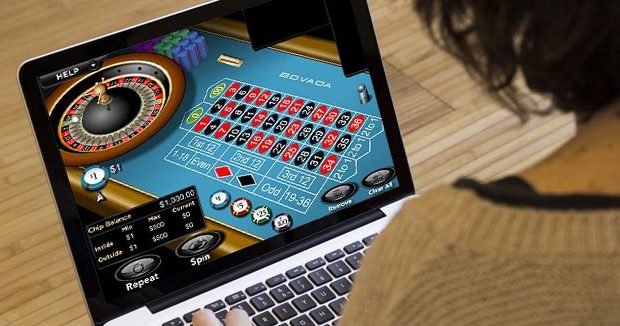
Most UK casino platforms, including Rump & Friends Game, provide some kind of game history or account activity log. Check the total amount staked, the number of spins, and the net result. If you set a loss limit and the game stopped at that point, you can see exactly how much the limit shielded. If you did not establish one, the review often demonstrates why you should have.
Session reviews also relate autoplay behaviour to payment activity. For example, you may spot that a losing autoplay session was succeeded by a quick deposit using PayPal or a debit card. That pattern can signal tilt. Examining payment method usage and processing times helps you grasp how easily you can top up and whether you require a cooling-off period before depositing again.
I treat game history as a learning tool rather than a chance to blame bad luck. Look for games where autoplay produced the best and worst results, and match those outcomes with volatility and bet size. Over time, those notes can help you choose better sessions and avoid repeating the same mistakes with the same type of slot.
Presuming All Autoplay Tools Work the Same Across Devices
PC and mobile autoplay menus can be different even for the same slot. On a desktop browser, you might see loss limits, win limits, and spin count in one panel. On a mobile browser or app, those options may be folded, relabelled, or split across screens. I have seen players presume a limit was active on their phone when they had only set it on a laptop.
Device performance is important too. A desktop may handle fast autoplay without issue, while an older phone can stutter on graphics-heavy slots. If the connection drops mid-session, some games pause automatically, but others may not restore the same https://www.thestar.com/sports/olympics-and-paralympics/tom-reuveny-stars-as-israel-wins-2-medals-in-new-windsurfing-class-at-paris-olympics/article_47f35c34-e455-590d-9d89-d9edb2afce7c.html autoplay settings. Before relying on autoplay, test a short sequence on the device you plan to use and verify that every limit appears correctly.
Rump & Friends Game is built to run across desktop, tablet, and mobile, so the core lobby should adapt to different screen sizes. Even so, I recommend checking the game’s autoplay settings after rotating your phone or switching between browser and app. A changed screen layout can hide important options, and touch controls can make it easier to tap a stake or spin button by accident.
Finally, consider battery and data usage during longer autoplay sessions. Running a slot at high speed while off Wi-Fi can consume mobile data and drain the battery quickly. If your phone dies mid-session, autoplay will simply stop, but you may not know how many spins completed. Keeping the device charged and connected reduces the chance of losing track of your session.
Cross-device differences extend to payment and account tools as well. A desktop cashier may show all withdrawal options clearly, while a mobile view might emphasise instant methods such as Apple Pay or PayPal. If you plan to deposit or withdraw during the same session, check how those options appear on your device before autoplay distracts you from the transaction details.
Using Autoplay as a Real Set-and-Forget Approach
Autoplay is not a strategy; it is merely a repeat-spin tool that eliminates manual clicks. I often see players believe that leaving a slot running will somehow balance out their luck, but the random number generator does not change because spins are automated. Each spin stays independent, and a string of losses can arrive just as easily on spin forty as on spin four.
In a normal session at Rump & Friends Game, you might set one hundred automatic spins at a fixed stake and then walk away to make tea. That might seem harmless, but balances can drop sharply in a few minutes. Without a consistent review point, you run the risk of returning to a depleted account and no reliable memory of how quickly the money went.
I advise treating autoplay as a convenience, not a passive income tool. If you wouldn’t manually click through fifty losing spins, you ought not to let the software do it unchallenged. Slot outcomes do not adjust to pauses, button changes, or whether you are watching. The only reliable control is the limit you attach to the session before it starts.
UK-facing platforms such as Rump & Friends Game generally include safer gambling features like deposit limits, reality checks, and session reminders. Use those tools in addition to any autoplay limits. A quick check every twenty or thirty spins ensures you aware of the balance and provides you a chance to stop before a bad run becomes a costly one.
Another aspect that turns set-and-forget thinking risky is the welcome offer. Many players claim free spins or a deposit match bonus and then run autoplay through the wagering requirement. Bonus terms often restrict which slots count fully toward wagering, and some autoplay sessions may not move the requirement as expected. Always check the promotion rules before using autoplay with bonus funds.
Misreading Slot Variance and Return to Player
Automatic play makes variance more noticeable. A volatile slot can run for dozens of non-winning spins before a greater payout arrives, while a low-variance game inclines to deliver tinier, more common wins. If you do not know which type you are spinning, a extended autoplay loss streak can feel like a glitch when it is simply the game behaving as planned.
Player return, or RTP, is a theoretical average determined over countless of spins. It does never assure that a hour-long autoplay run will yield a specific percentage. I frequently advise UK players that a slot with 96 % RTP can still produce a loss of 20 or thirty per cent of session stakes in the short run. Autoplay quickens the experience but does not diminish the variance.
Before enabling autoplay, check the game info or pay table for fluctuation classifications and RTP. Many developers now tag slots as small, medium, or major volatility. If you have a small bankroll, a high-volatility game with half a hundred automatic spins may use up your funds before a bonus triggers. A lower-variance option may be more suitable for extended autoplay periods.
Rump & Friends Game categorises slots and table games in a way that usually makes game details simple to find, but you should nevertheless review each game’s rules. I also recommend testing a slot with twenty or thirty manual spins before changing to autoplay. That brief test offers you a hands-on impression for how regularly wins and bonuses appear before you dedicate to automated play.
Volatility also plays with your selection of bet. If a high-volatility game has a bonus function that seldom lands, running one 100 autoplay spins at a comparatively high bet can risk a significant part of your bankroll at jeopardy before you obtain valuable data. I recommend dropping the stake during the opening autoplay test and upping it only if the game’s tempo matches my tolerance.
Disregarding Loss Limits and Stop Conditions
Most modern slots feature some form of autoplay loss limit, but players frequently leave it disabled. I recognize the temptation: setting a loss cap can appear like planning to lose. In reality, it is the opposite. A loss limit protects the rest of your bankroll and forces you to re-evaluate after a predetermined drop rather than letting autoplay to chase the deficit.
When you access an autoplay menu, look for fields covering total loss, single win, and number of spins. Some games also allow you to stop when a bonus round triggers or when the balance reaches a chosen amount. For example, you might configure fifty spins at £0.50 with a loss limit of £10. That ensures the worst-case outcome clear before the first automated spin begins.
Overlooking stop conditions is especially dangerous on high-speed slots, where several spins can complete in a few seconds. A player who would normally halt after losing £20 may instead observe £40 disappear before intervening. Autoplay does not create the loss, but it shortens the time available for judgement. That compression is why I regard loss limits the single most important setting.
At Rump & Friends Game, the cashier typically provides UK-friendly methods such as debit cards, PayPal, Skrill, Neteller, and bank transfer. Deposits are usually instant, while withdrawal times can range from a few hours for e-wallets to several working days for cards or bank transfers. Understanding those timelines helps you configure autoplay limits that correspond to the money you can actually access during a session.
Permitting Autoplay Speed Cloud Your Bankroll Awareness
Fast mode and quick-spin toggles can increase the pace of an autoplay session. What might require twenty minutes with manual clicks can be squeezed into five. Speed is convenient, but it diminishes the natural pause between decisions. When payouts and losses blend, players lose sight of how much they have actually bet in a short window.
Bankroll sizing should always be based on total stake per spin relative to your balance. If you have £100 and set £1 spins, a run of thirty losses takes thirty per cent of your balance. At turbo speed, that can happen quickly enough to prompt a deposit decision before you have absorbed the loss. I recommend slowing the spin speed when the stake is high relative to the bankroll.
A useful method is to use balance checkpoints. Choose in advance that you will review the session after every fifteen or twenty autoplay spins. Check the net result, not just the last win. If the balance has fallen by a meaningful percentage, pause and ask whether the same session would still seem acceptable if you were clicking manually.
Mobile play adds another layer. On a smartphone, autoplay can carry on while notifications, calls, or app switches disrupt your attention. If you are using Rump & Friends Game on a mobile browser or device, check that the autoplay controls remain visible and that you understand how the game behaves if the screen locks or the connection drops. A reliable connection and a clear view of your balance help stop speed from taking over.
Forgetting to Check Game Rules Ahead of Activating Autoplay
Not every slots handle autoplay identically. Certain halt automatically if a bonus round or free spins feature activates, whereas others continue via a bonus at the same stake. If you presume the game will stop and it fails to, you might forgo the chance to change your bet or simply watch a feature play out without knowing how it started.
Certain titles have special symbols, expanding reels, or gamble features that change how autoplay functions. A game may stop on a win above a certain multiplier or stop when free spins become available. Prior to loading a new slot at Rump & Friends Game, I check the game rules and the autoplay settings panel for these conditions. The paytable generally clarifies bonus triggers, line configurations, and feature mechanics.
Bonus buy options bring another complication. When a slot allows you to purchase free spins directly, the interaction with autoplay can be confusing. A few games enable you set autoplay to buy bonuses under specific conditions, whilst others require manual confirmation. I would never turn on an automated feature buy unless I read the exact cost and trigger rules first, as a few clicks can cost far more than a normal spin.
Checking the rules may sound basic, but it is the most overlooked step I see among regular autoplay users. Each slot has a specific number of paylines, scatter rules, and feature retriggers. When you know how the game works, you can set autoplay to stop at the moments that matter to you rather than letting the software make those decisions by default.
A few players also ignore that autoplay may continue through a base game gamble option or a cascading win sequence. If the game has a repeat win multiplier, an automated session can behave differently from manual play. The best approach is to run a short autoplay test after reading the help file, then check exactly where the game paused or continued before committing more money.
Leave a Reply